
Breathe Better Program
Webe-Assisted Long-Exhale Breathing Intervention for Building Early Resilience in Elementary Children (Grades K–2)
This project aims to teach young children a simple, evidence-based breathing skill: long, slow exhalation, as a tool for acute calming and long-term resilience.
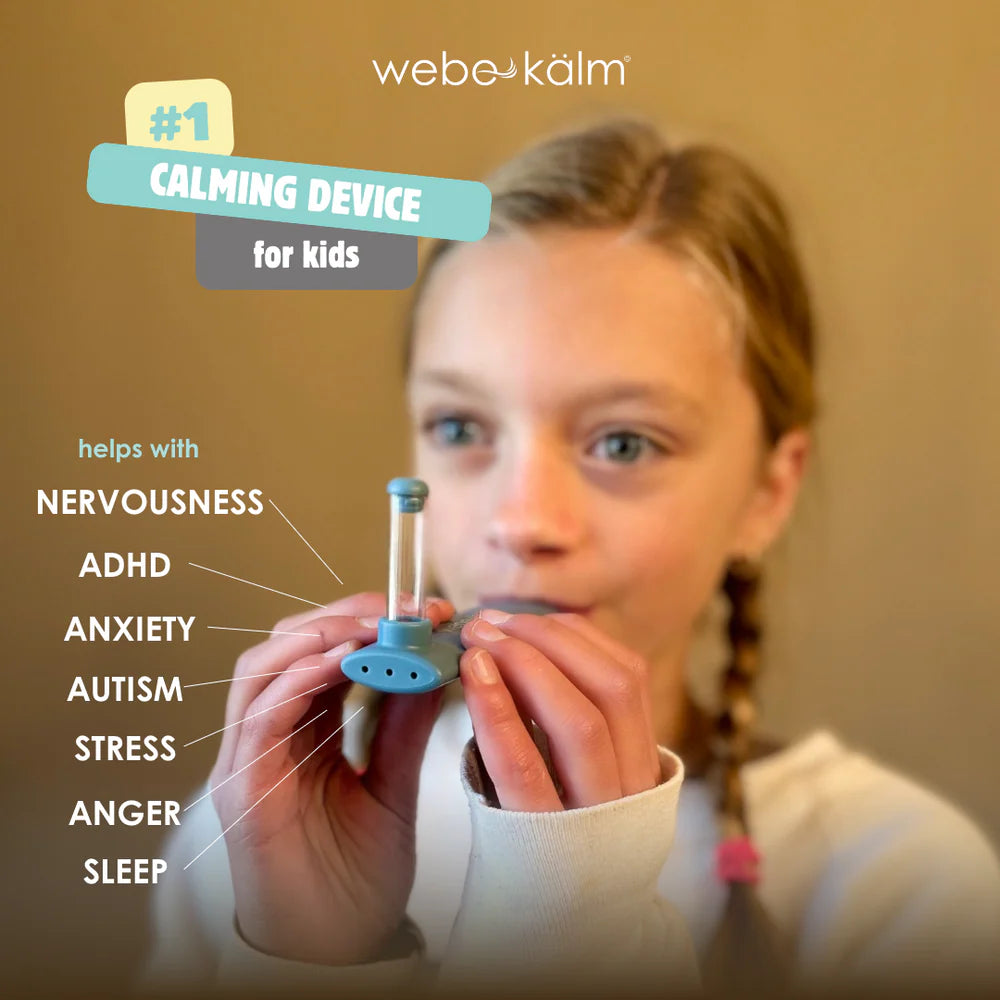
The intervention uses playful, concrete method of practice – a breathing feedback device (Webe) to make breathing regulation accessible, engaging, and developmentally appropriate.
The goal is to integrate this skill into classroom routines (e.g., transitions, before challenging tasks), building self-regulation, emotional awareness, and coping capacity, which are the foundational elements of resilience.
Given the recent statewide emphasis on resilience and mental-health education, particularly in Florida, this intervention aligns with state curricular priorities and offers a low-cost, scalable tool for schools.
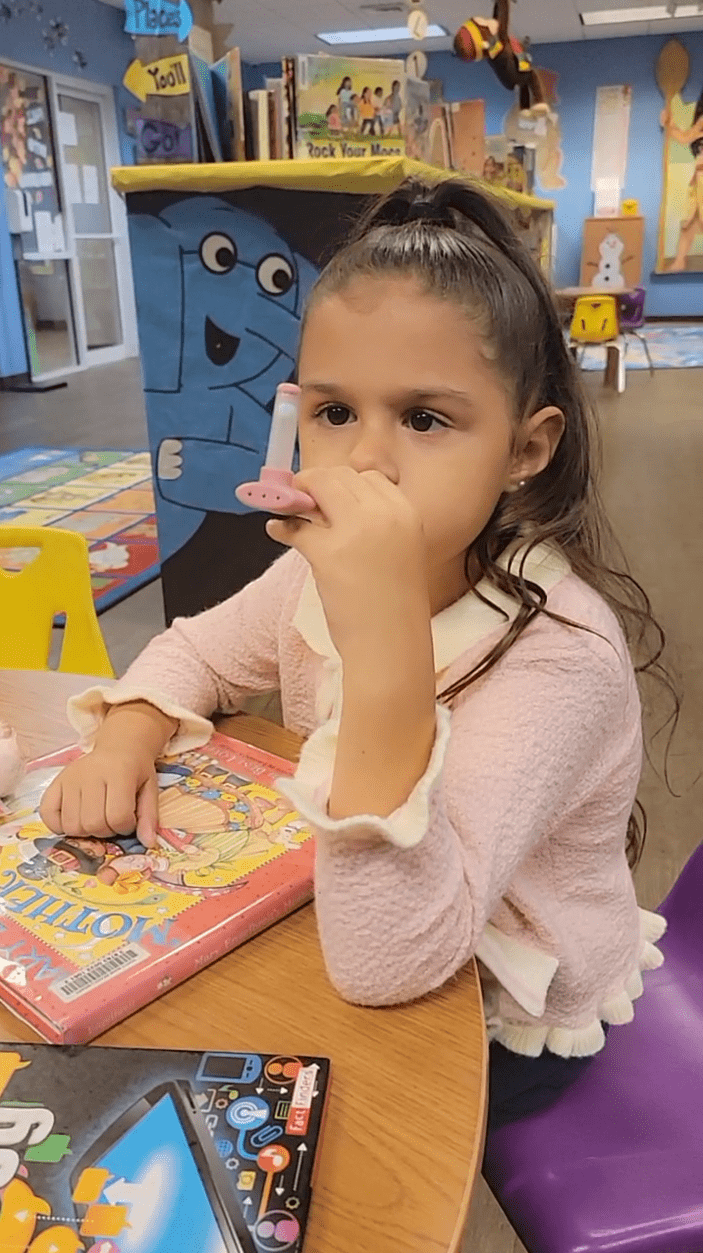
Evidence-Based Protocols Used
These breathing skills are grounded in validated physiological and behavioral research:
Longer Exhalations Activate the Parasympathetic Nervous System
Slow exhalation increases vagal activity and reduces heart rate
(Noble & Hochman, 2019, Frontiers in Human Neuroscience)Breathing at a slow pace stabilizes autonomic function
(Zaccaro et al., 2018, Frontiers in Human Neuroscience)
Paced Breathing Enhances Cognitive Control in Children
Controlled breathing improves attention and emotional control
(Khng, 2017, Psychophysiology)
Respiratory Biofeedback for Children Improves Self-Regulation
Biofeedback-based breathing tools support emotional regulation in youth
(Sherlin et al., 2009, Applied Psychophysiology and Biofeedback)
Multisensory Breathing Aids (like Webe) Improve Skill Adoption
Children learn regulation skills faster with tactile or visual pacing tools
(Laufer et al., 2021, Mindfulness)
Scientific Basis
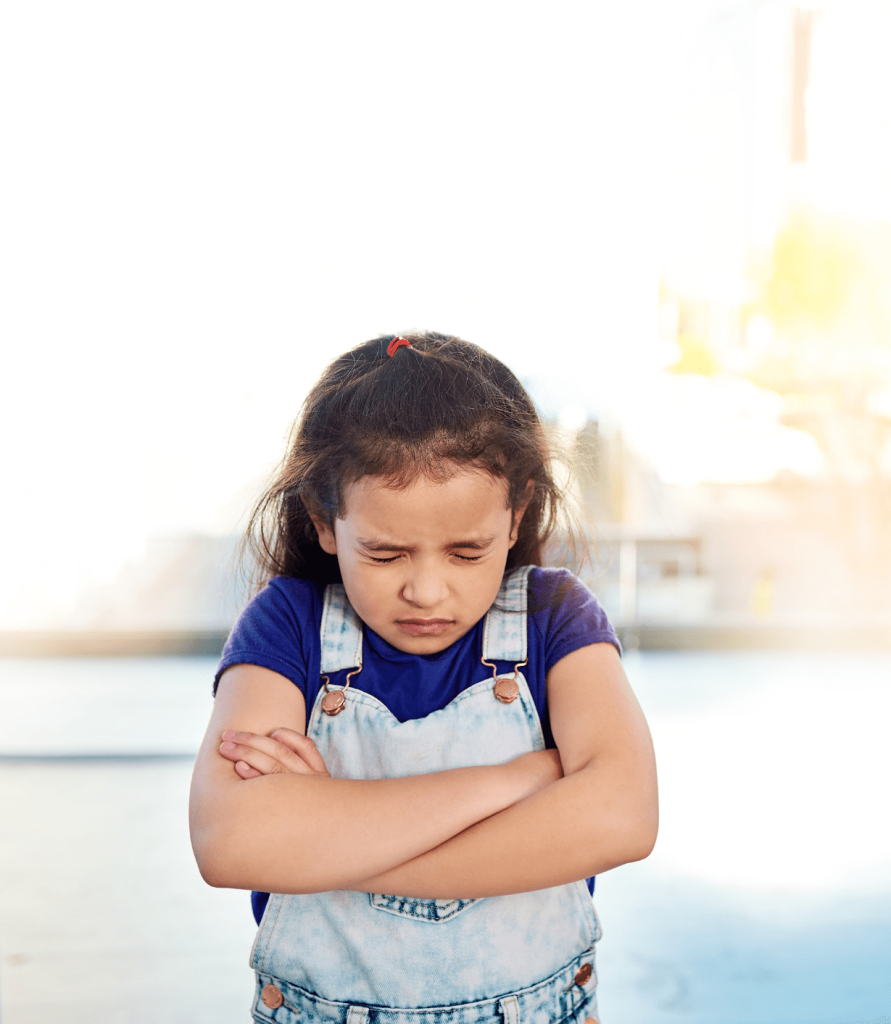
Research supports that slow breathing with emphasis on exhalation activates the parasympathetic nervous system (vagal activity), reduces physiological arousal, and supports autonomic regulation. For children, integrating paced breathing (especially when paired with external cues or feedback) has been linked to improved self-regulation.
Multisensory aids (visual / tactile / interactive) facilitate learning of regulation skills more effectively than abstract instruction alone — especially in younger children who benefit from concrete, embodied learning.
Social-Emotional Learning (SEL) research (e.g., via CASEL’s framework) shows that when SEL competencies are taught explicitly, using active, sequenced, focused, and developmentally appropriate methods, outcomes include improved emotional awareness, self-management, stress coping, and overall well-being.
The project draws on principles of SEL and resilience education — aligning body-based regulation (breath) with emotional and behavioral self-management to offer a bridge between physiological regulation and social-emotional competence.
Why This Plan Works:
It is developmentally appropriate for K–2 (concrete, play-based, simple instructions).
It directly addresses Florida Resiliency Education Standards for early elementary (personal responsibility, wellness, feelings awareness).
It maps clearly to CASEL SEL competencies (self-awareness, self-management, responsible decision-making).
It uses active, explicit, and practice-based methods; key features of high-quality SEL instruction.
It creates a low-cost, scalable intervention that can be integrated into daily classroom routines.
How This Fits Into the Florida Benchmarks:
Florida State Board of Education Resiliency Education Standards (2022–2023):
Benchmark: RS.1.A.1 – Identify and demonstrate coping strategies used to manage strong emotions.
Students practice a concrete coping skill: long-exhale breathing.
Webes allow demonstration and mastery, as well as mitigation tools for in class disruptions.
Benchmark: RS.1.B.1 – Demonstrate self-awareness and regulation strategies.
Students learn to notice body sensations before/after breathing.
Benchmark: RS.2.A.1 – Demonstrate strategies that build resilience through self-regulation.
Long exhalation = foundational resilience skill: calming the nervous system to recover from stress.
Benchmark: RS.3.A.1 – Recognize skills that help with perseverance and problem-solving.
Breathing for calm → better focus → more resilient thinking.
Florida Mental Health Education Requirements (Rule 6A-1.094124)
This lesson fulfills components for K–5 mental health instruction:
Area 1: Recognizing and managing emotions.
Students practice identifying bodily stress signals.
Area 2: Preventing and reducing anxiety and stress.
Long-exhale breathing is an evidence-based stress reduction tool.
Area 3: Developing resilience and coping.
Breathing becomes a daily self-regulation strategy.
Citations & sources (Florida benchmarks + key evidence)
Florida benchmarks / resiliency resources
Florida Department of Education — Resiliency & Mental Health Resources (overview of requirement and Resiliency initiative).
Building Resiliency (FLDOE PDF) — life skills, required instruction mapping (self-awareness, self-management, grit, problem solving).
Evidence for breathing & exhale-focused practice (protocols cited in lesson design)
6. Balban MY et al. (2023) — Brief structured respiration practices enhance mood and reduce respiratory rate; cyclic sighing RCT. (Cell Reports Medicine / PubMed).
7. Komori T. (2018) — The relaxation effect of prolonged expiratory breathing — physiology showing parasympathetic increase.
8. Lehrer PM et al. (2014) — Heart rate variability biofeedback review — mechanism and resilience implications of paced breathing/HRV. (Frontiers / PubMed).
9. Stanford summary & writeups on cyclic sighing — accessible summary for teachers/background (Stanford Medicine article).